
Virgilio Perez Guembe
Salesregion: South & Middle America, Europe, Asia
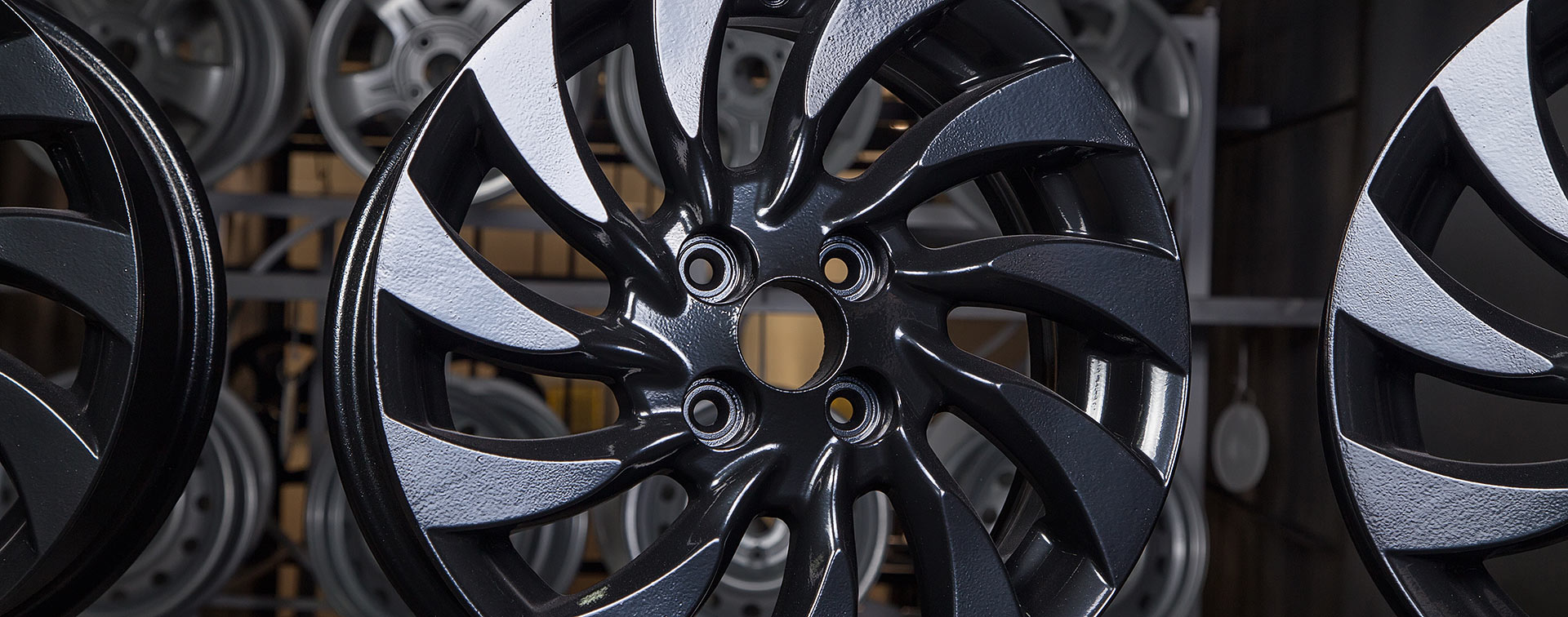
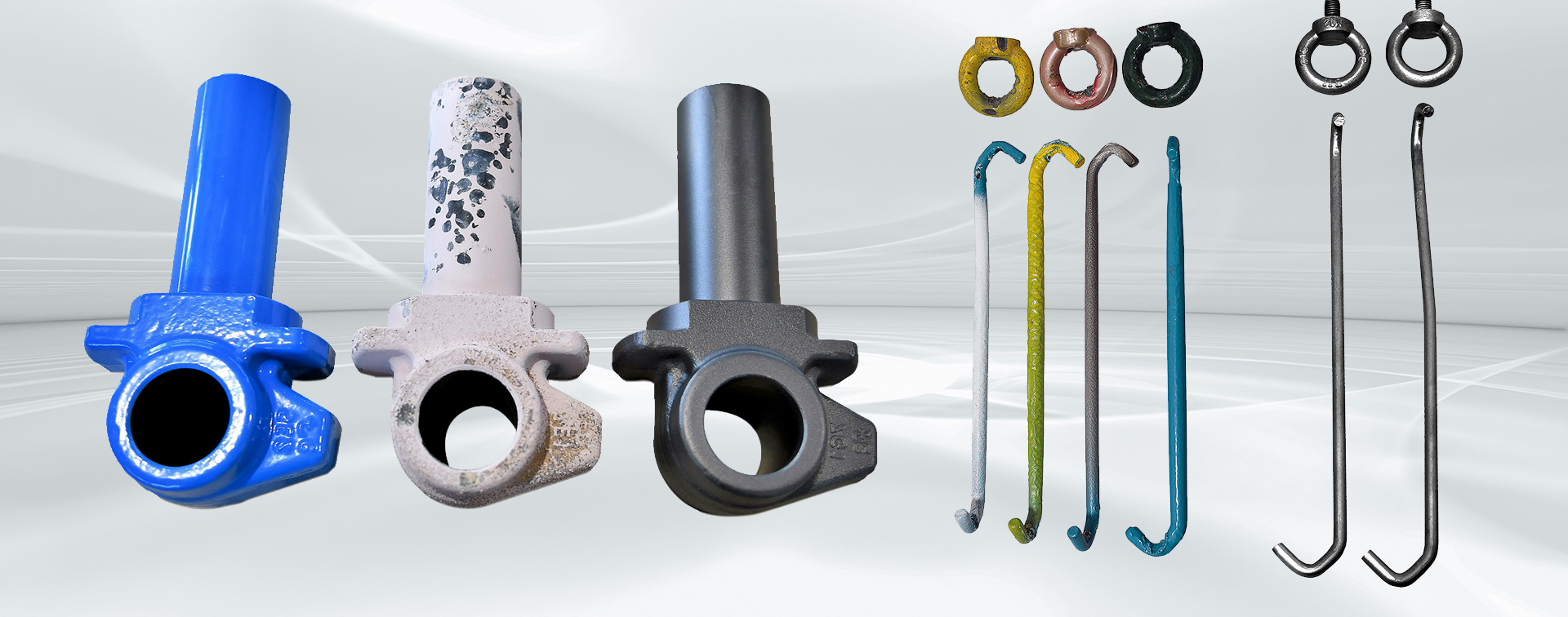
Controlled removal of paints, resins, organic coatings, and stubborn production residues from heat-resistant metal parts.
Coatings and organic deposits on metal parts must be reliably removed during maintenance, refurbishment, in cases of incorrect coating, or in recurring production processes. Typical applications range from paint hangers, hooks, and racks to components of electric motors and generators, as well as suitable metal parts used in the food industry.
Thermal cleaning breaks down organic coatings and residues through controlled heat application. The appropriate method depends primarily on the component, material, coating or residue, and the desired cleaning result.
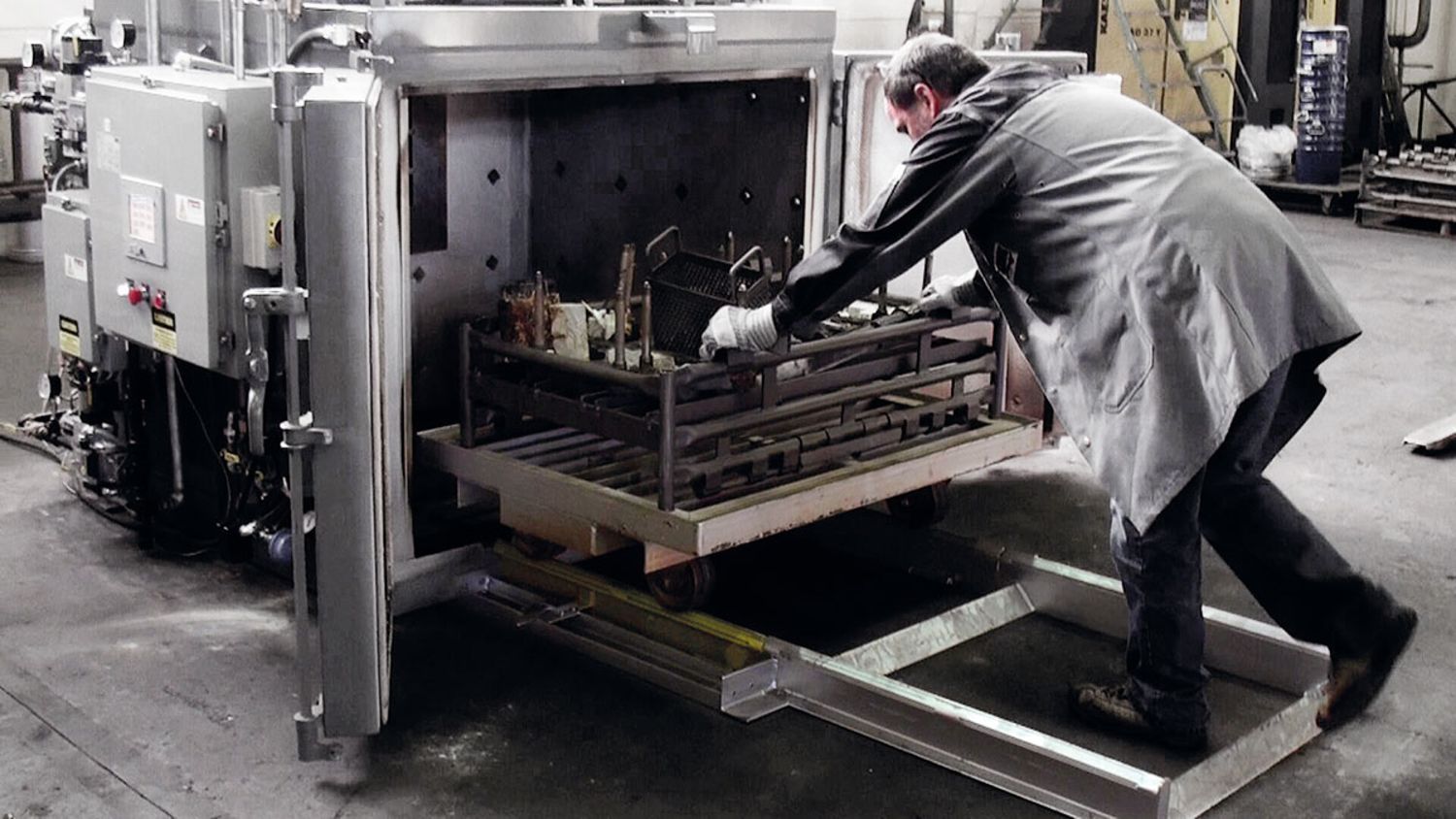
Paints, resins, and other organic residues can build up on metal parts or become permanently baked onto them during the production process. As the buildup increases, the functionality, continued use, or recoating of the components may be compromised. Thermal cleaning prepares suitable metal parts for reuse, recoating, repair, or further processing.
When hooks, racks, and painting hangers are reused, additional layers of paint are added with each coating process. The increasing buildup of layers can affect contours, contact points, and the continued use of the components.
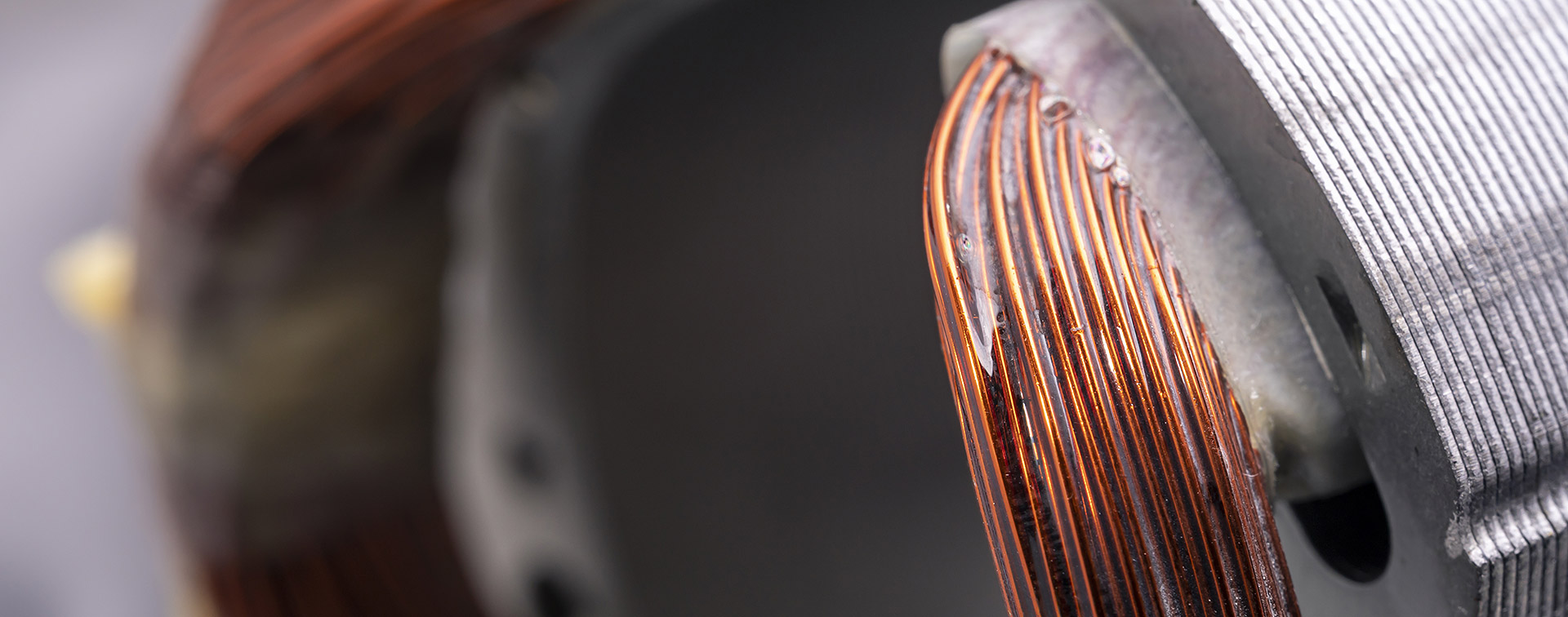
When reconditioning electric motors, generators, stators, or rotors, resins, varnishes, and other organic insulation materials must be removed before components can be further processed, rewound, or materials recovered. Thermal stripping prepares the metal components for these subsequent steps.
On suitable metal parts used in the production of baked goods and confectionery, fats, sugars, dough ingredients, or other organic production residues can accumulate and, due to repeated exposure to heat, gradually form a crust or become baked on.
Thermal cleaning is suitable for a wide range of heat-resistant metal parts with organic coatings or stubborn deposits. The key factors are the material, geometry, coating or residue, and the permissible thermal load.
Part/Component | Typical Cleaning Task | Special Requirements |
|---|---|---|
Painting racks, hooks, and frames | Remove paints, powder coatings, and other organic coatings | Take into account geometry, materials, and repeated thermal stress |
Electric motors and generators | Remove resins, varnishes, insulation materials, and other organic deposits | Take into account the design, materials, and subsequent processing steps |
Stators and rotors | Remove resin and varnish layers from windings and metallic components | Observe thermal resistance and requirements for repair or recycling |
Metal parts from bakery and confectionery production | Remove baked-on, encrusted, or heavily adhered organic production residues | Take into account the material, geometry, and hygiene requirements of the subsequent process |
Other coated or organically contaminated metal parts can also be tested, depending on the material, construction, and thermal resistance.
Is your component not listed? Have its technical suitability tested →


Thermal cleaning is suitable for a wide range of organic coatings and deposits on heat-resistant metal parts. The type and amount of residue influence the required process parameters and, if necessary, the subsequent post-treatment.
Residue Group | Examples | Relevant for Evaluation |
|---|---|---|
Paints and organic coatings | Paint layers, defective coatings, multi-layer coating structures | Coating type, layer thickness, and component material |
Resins and insulation coatings | Resins and varnishes on electric motors, generators, stators, and rotors | Component structure, materials, and purpose of reconditioning |
Rubber and elastomer residues | Rubber layers and similar organic deposits | Composition and amount of residue |
Food residues | Baked-on or encrusted residues from baked goods and confectionery production | Type and quantity of organic deposits |
Greases and other organic residues | Greases and production-related organic deposits | Composition, component, and desired cleaning result |
Thermal pyrolysis processes are particularly suitable for paint stripping, coating removal, and the removal of stubborn organic residues. The component, material, type and amount of the coating, as well as the permissible thermal load, are decisive factors.
In a controlled thermal process, paints, resins, and other organic coatings are decomposed and then oxidized. Process control, temperature, and exhaust gas treatment are tailored to the specific cleaning task.

MAXICLEAN is particularly suitable for larger, heat-resistant metal parts with halogen-free organic coatings and deposits. Typical applications include electric motors, generators, stators, and rotors, as well as larger workpiece carriers and coated components.
Not every coating and not every component can be treated with the same process parameters. The type and composition of the coating, film thickness, component mass, material, and desired cleaning result are therefore evaluated prior to process design. In the case of unknown coatings, it is particularly important to determine whether they contain halogen-containing components.
Not sure which process is right for your paint removal or cleaning task?
Have your cleaning task evaluated by a technician →
In thermal paint and coating removal, the goal is not merely to break down organic coatings and residues. What is crucial is a controlled process that is tailored to the component, the load, and the residue.
The temperature and process duration must be appropriate for the type of coating and the component’s thermal resistance. Controlled process management is crucial, especially for components that will subsequently be reused, repaired, or further processed.
The size, mass, and geometry of the parts to be decapted influence the cleaning process. The cleaning chamber, loading, and temperature control are therefore tailored to the specific task at hand.
The thermal decomposition of paints, resins, and other organic residues produces gaseous reaction products. Carefully controlled process management and thermal exhaust gas treatment are therefore integral parts of the paint and coating removal process.
After heat treatment, the next steps depend on the component and its intended use. The key factor is whether the metal part will subsequently be recoated, repaired, recycled, or reused in the production process.
After thermal decomposition, ash or other inorganic residues may remain on the component. If necessary, these are removed using a suitable mechanical post-treatment process before the component undergoes further processing or is recoated.
Resins, varnishes, and other organic residues are removed from stators, rotors, and other components, making the windings and metal parts accessible for repair, rewinding, or recycling.
Before reuse, surfaces and functional areas are inspected for any remaining residue and to assess the condition of the component. For components used in food production, this may be followed by additional operational cleaning and hygiene procedures.


Electric motor before and after thermal cleaning (remanufactured)
For the technical evaluation, the most relevant factors are the component, material, coating or residue, and the desired result. Photos or drawings make it easier to classify the item.
About the component:
Regarding the coating or residue:
Not every company needs its own thermal cleaning system. SCHWING handles the thermal paint and coating removal from suitable metal parts—from individual cleaning jobs and test cleanings to regular processing as part of ongoing production or maintenance processes.
The cleaning service is particularly suitable for:
Have metal parts stripped or decapitalized
Not sure whether a cleaning service or your own equipment makes more sense?
Compare cleaning methods on the overview page

Depending on the component and the cleaning objective, any necessary post-treatment and inspection steps can be integrated into the cleaning process. Upon request, regular cleaning intervals, as well as pickup and return, can also be incorporated into a predictable service plan.
Particularly suitable are metal parts with sufficient heat resistance, such as paint-coating hangers, hooks, racks, workpiece carriers, and components of electric motors and generators. Suitable metal parts from other production processes can also be thermally cleaned.
In particular, paints, resins, organic coatings, and baked-on or encrusted organic production residues can be removed thermally. Specific suitability depends on the composition, film thickness, component, and cleaning objective.
Yes. For suitable components, resins, paints, and organic insulation materials can be thermally removed. This prepares the components, for example, for repair, rewinding, further processing, or recycling.
Suitable heat-resistant metal parts used in baked goods and confectionery production can be cleaned of stubborn, baked-on, or encrusted organic production residues. Necessary operational hygiene and clearance procedures follow as needed.
Thermal treatment removes the organic components of the coating or deposit. Ash and other inorganic residues may remain and may require additional post-treatment.
The appropriate system depends on the component size, material, coating, amount of residue, and permissible thermal load. MAXICLEAN is particularly suitable for larger and robust components, as well as for the reconditioning of electric motors, generators, stators, and rotors.
In particular, details are needed regarding the component, material, dimensions, and weight, as well as the type and amount of the coating or residue. The desired outcome is also important—for example, reuse, recoating, repair, or recycling. Photos and technical drawings facilitate the evaluation.
Whether you’re looking for a cleaning service, a trial cleaning, or your own system:
SCHWING will help you select the right thermal cleaning process for your components, coatings, or residues, as well as your production requirements.
back-to-top